 NexCheck-筛号平台
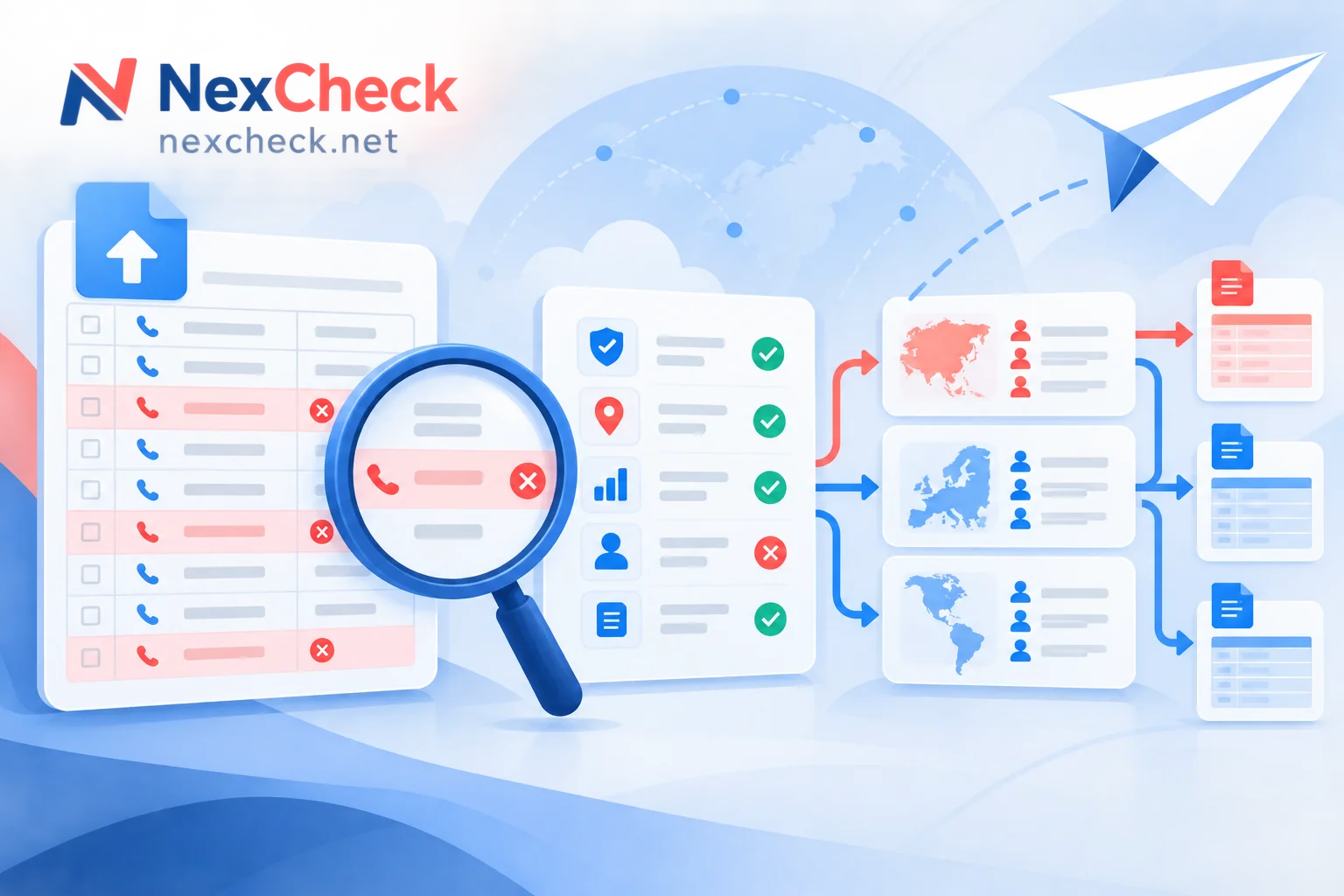
Telegram Number Screening Failures: Troubleshooting Order for Format, Privacy, Bans, and Rate Limits
When Telegram number screening produces many format errors, unmatched results, or interrupted tasks, troubleshoot in four areas: number format, user privacy settings, banned or deleted accounts, and rate limits. This article explains how to diagnose each type of problem and why "unmatched" should not be treated as grounds for deleting records when writing results back to CRM.
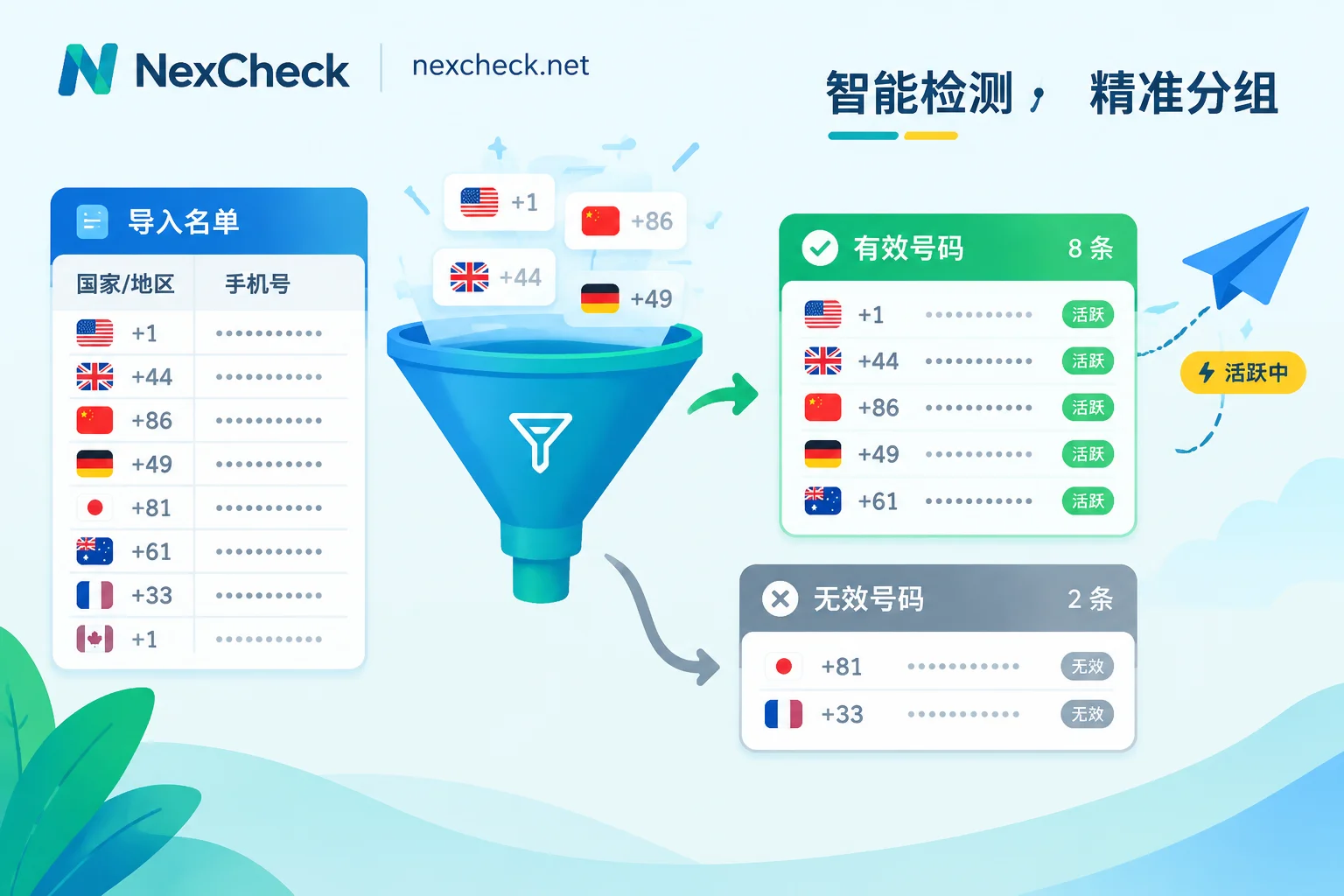
How to Use a Telegram Number Screening Platform: From List Cleaning and Field Selection to Result Write-back
A guide for operations, data teams, and developers who have a phone number list and want to check Telegram registration and activity status, covering format normalization, deduplication, detection field selection, interpretation of valid/invalid groups and activity tiers, and web vs. API options with compliance boundaries.
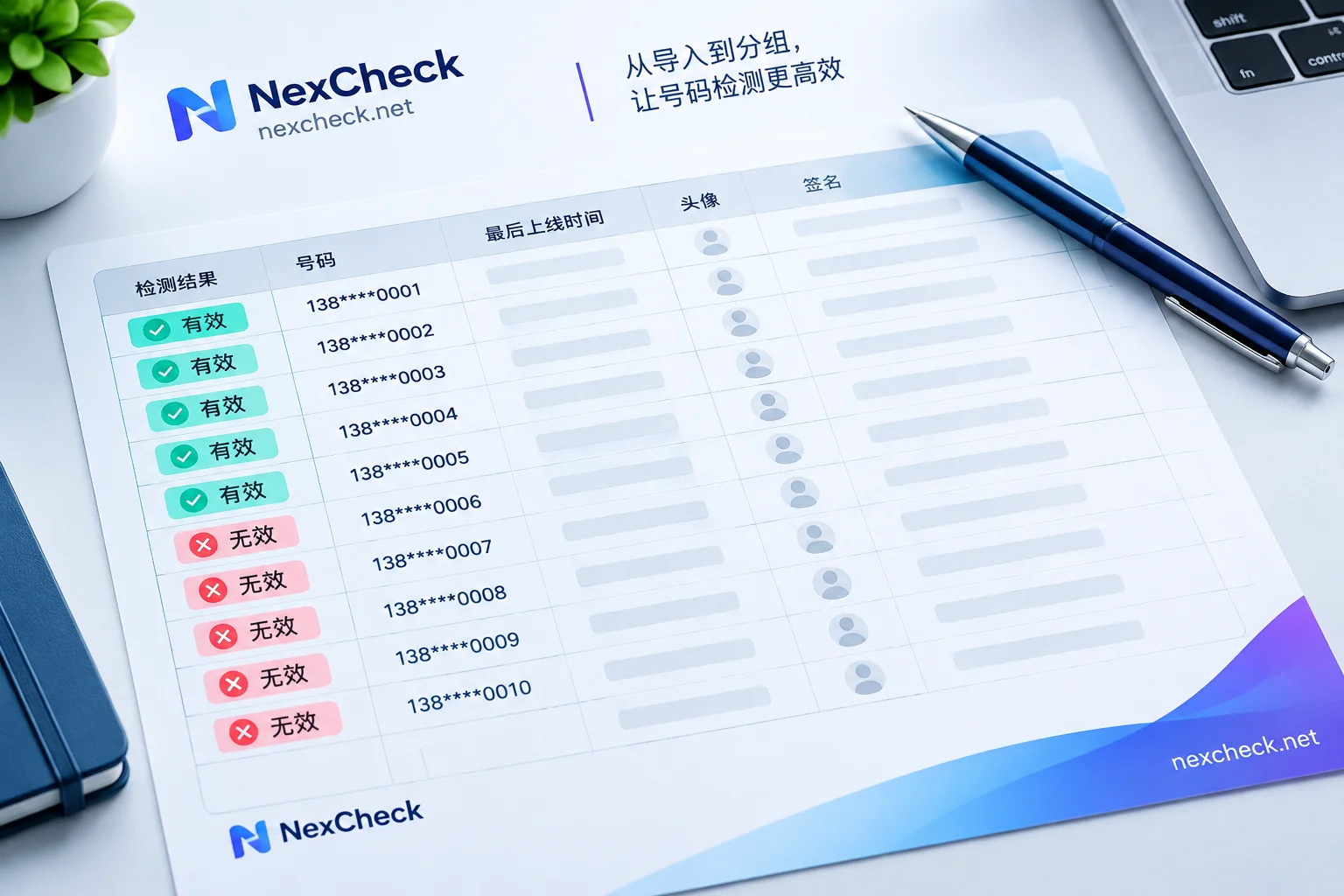
How to Read WhatsApp Number Check Results: Field Meanings, Privacy Boundaries, and CRM Write-back Order
When you receive a WhatsApp number screening export or API response, the only field that can decide whether to keep a number is 'whether it is registered'; all other activity, profile photo, and about info are affected by user privacy settings and can only be used as weighted tags. This article explains each field's meaning and boundaries, provides the processing order from list preprocessing to CRM write-back, and lists several common misjudgments.
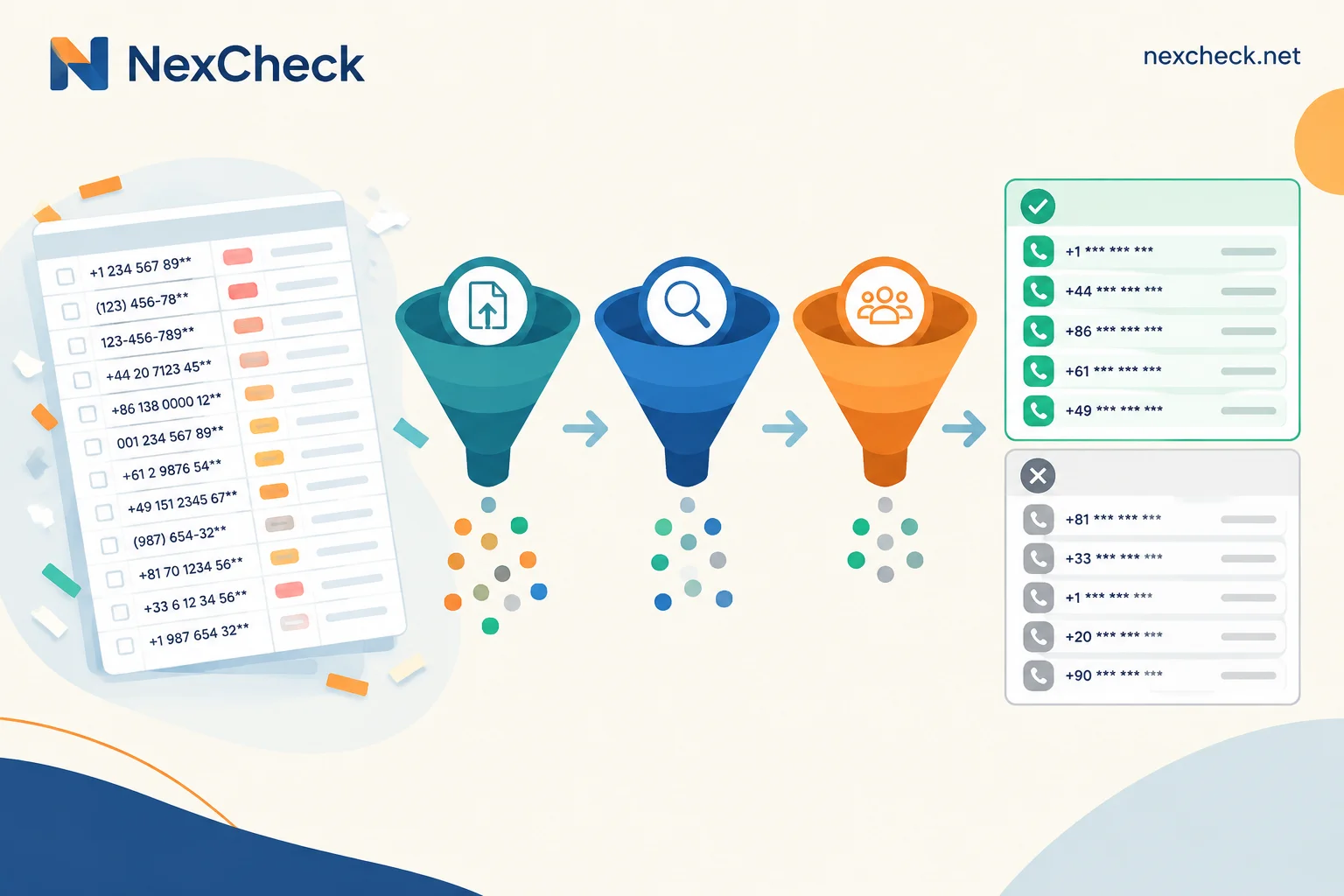
How to Detect WhatsApp Number Validity: From List Formatting to Status Field Interpretation
A complete operational order for checking WhatsApp number validity: E.164 formatting and deduplication, device type filtering, platform registration and account status detection, plus the differences between three kinds of 'not found' under privacy boundaries and how to store results in separate fields.
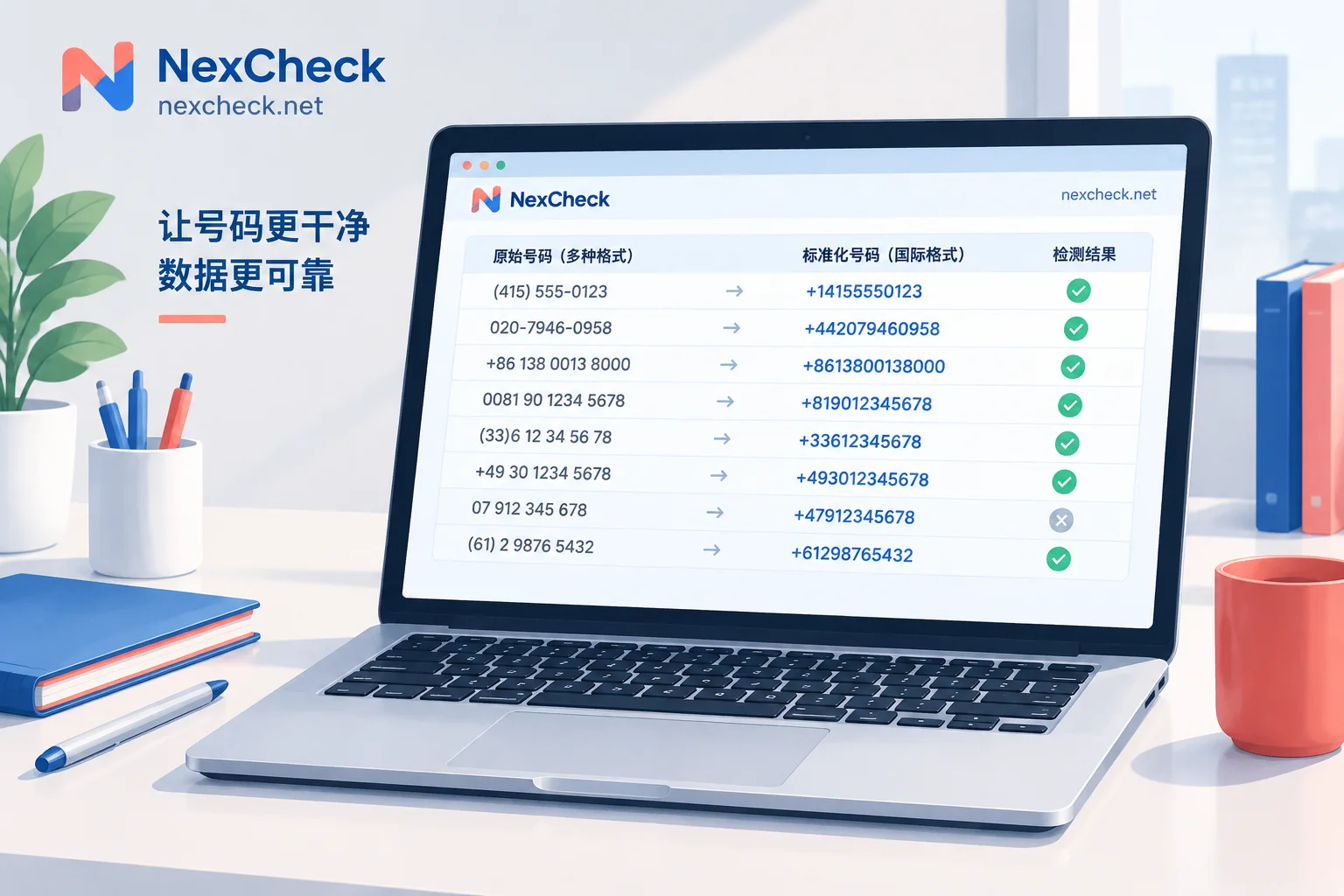
How to Batch Check if WhatsApp Numbers Are Registered? Five-Step Order from List Standardization to CRM Write-Back
To determine which numbers in a list have WhatsApp, the order matters more than the tool: first standardize to E.164, remove landlines and non-mobile numbers, then run platform registration status checks, and finally write back to the system in multiple columns. This article provides specific rules for each step, special cases for countries like Argentina and Mexico, the meaning and boundaries of returned fields, and the trade-offs between console upload and API integration.