 NexCheck-筛号平台
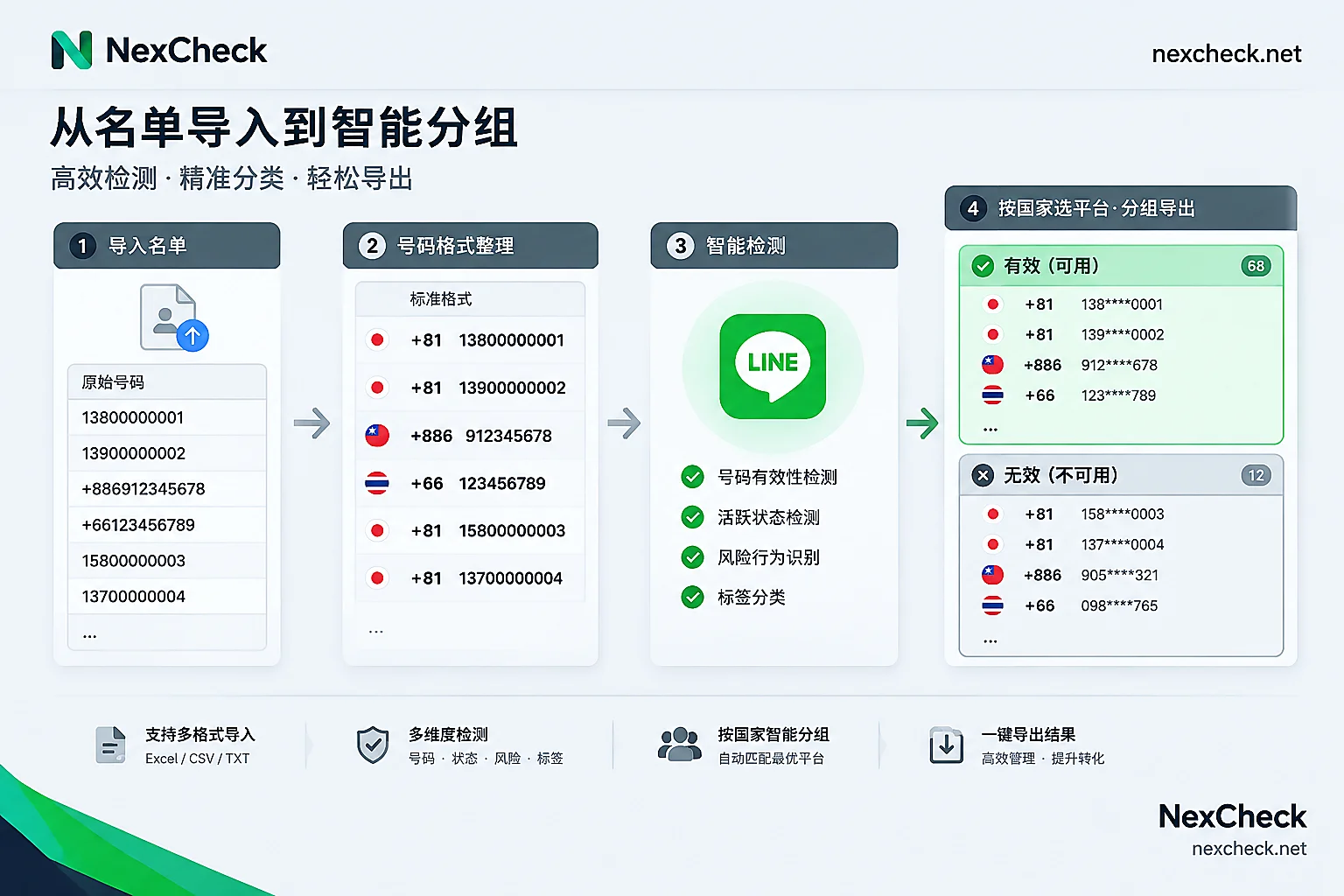
How to Do LINE Number Detection: List Formatting, Open Status Interpretation, and Privacy Restrictions
A complete workflow for LINE number detection: standardizing numbers to E.164 format, deduplication, batching by country, submitting via console or API, interpreting valid/invalid results considering privacy settings and age restrictions, and writing back to CRM.
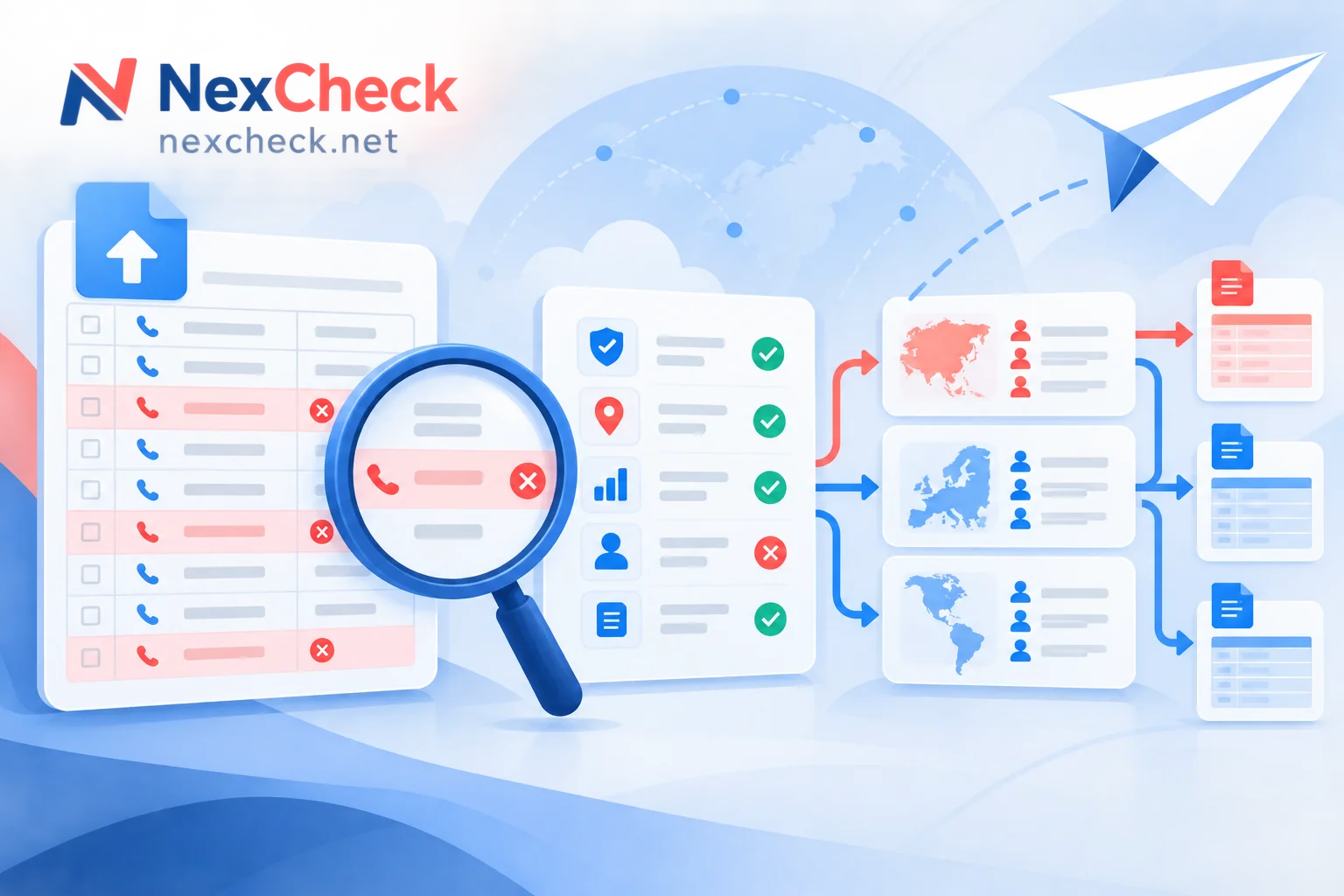
Telegram Number Screening Failures: Troubleshooting Order for Format, Privacy, Bans, and Rate Limits
When Telegram number screening produces many format errors, unmatched results, or interrupted tasks, troubleshoot in four areas: number format, user privacy settings, banned or deleted accounts, and rate limits. This article explains how to diagnose each type of problem and why "unmatched" should not be treated as grounds for deleting records when writing results back to CRM.
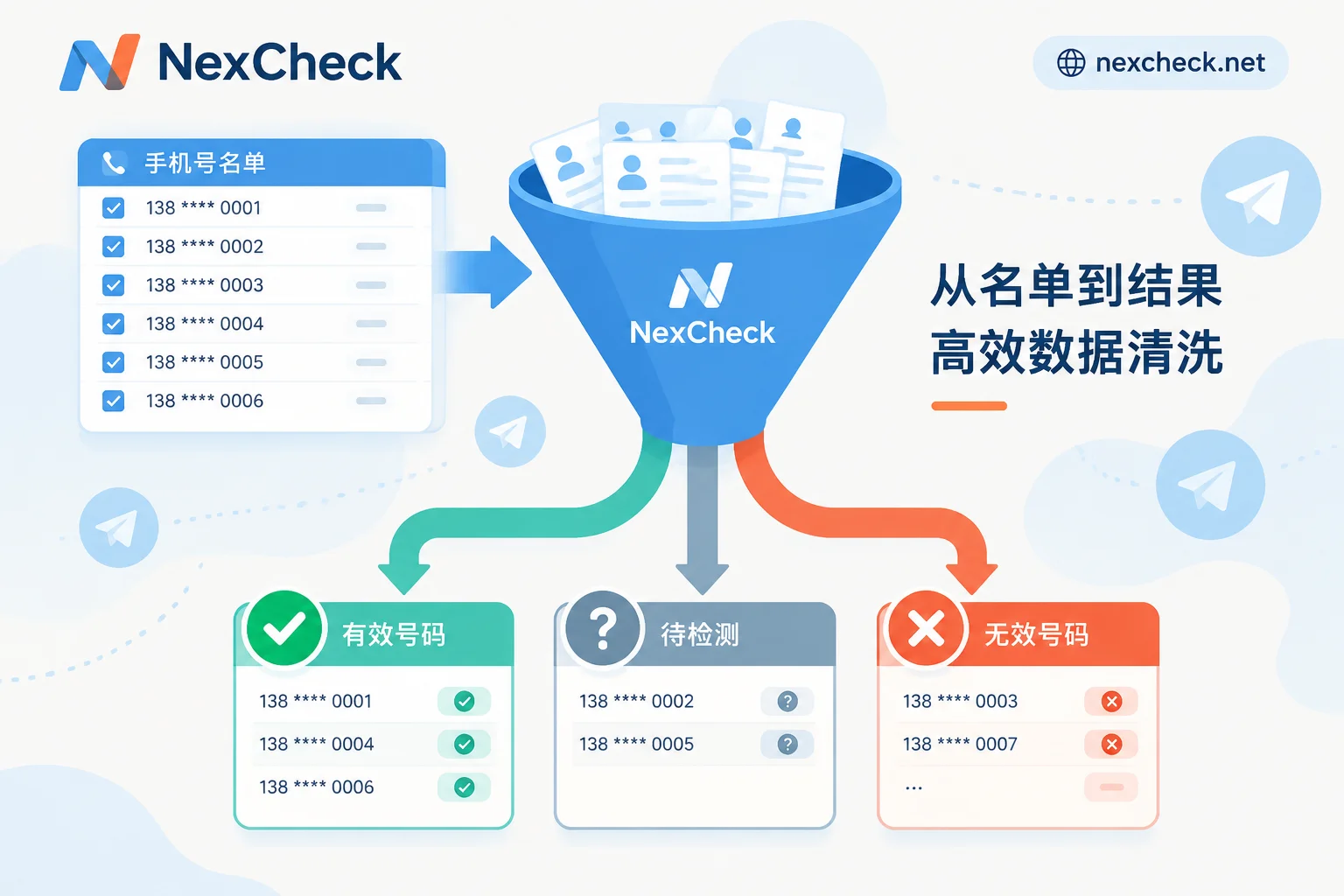
How to Filter Telegram Numbers: Processing Order and How to Classify Invalid Results
Telegram number filtering follows five steps: normalize number format, deduplicate, run basic validation, run Telegram registration checks, and write results back to CRM in tiers. This article explains what each returned field means and why privacy settings cause some registered numbers to land in the invalid group.
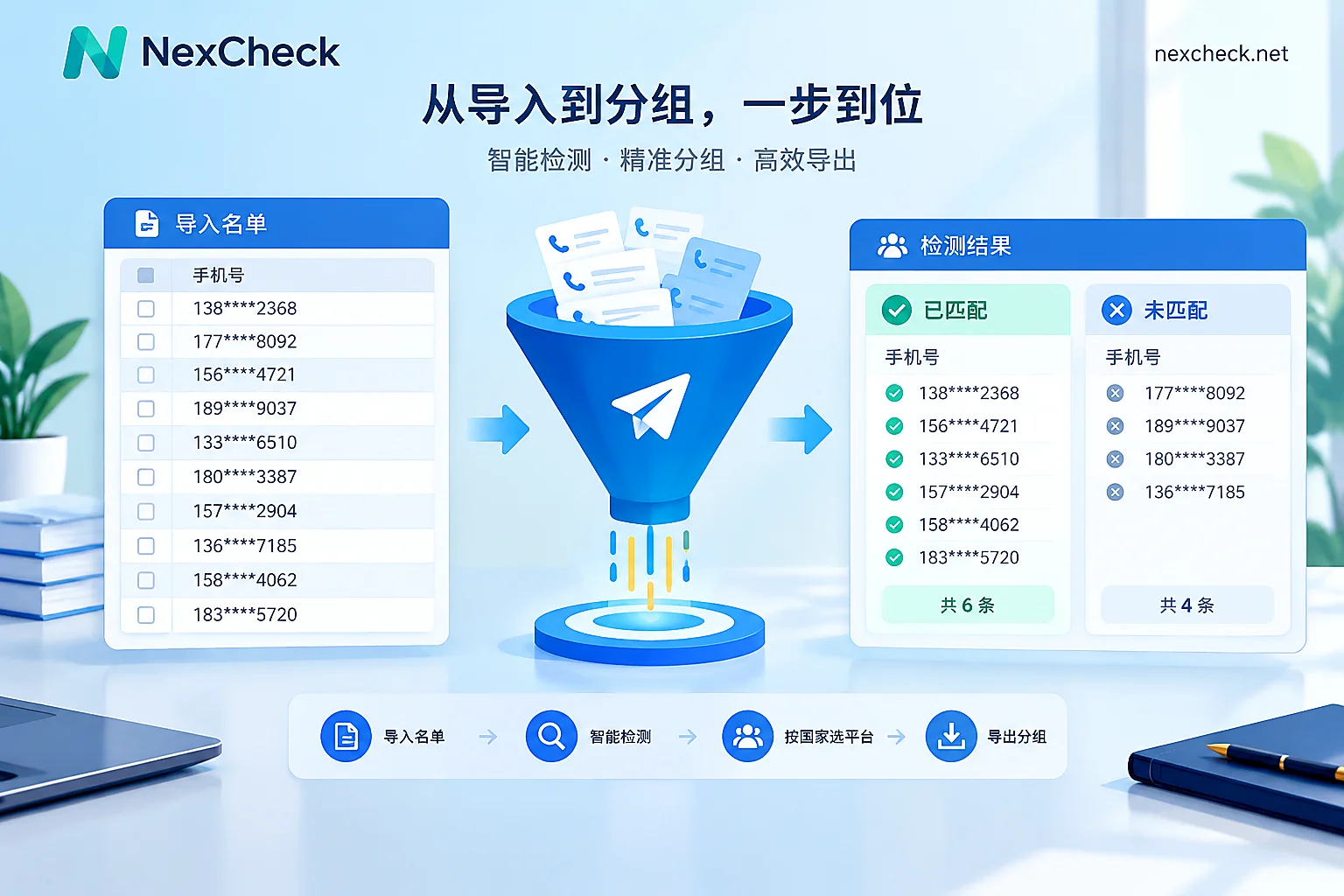
How to Check if a Telegram Number Is Registered: Matching Principles, Privacy Limits, and Batch List Processing Order
Learn how to batch-check whether numbers in a list are registered on Telegram, including E.164 formatting, privacy settings that affect matching, and CRM write-back order.
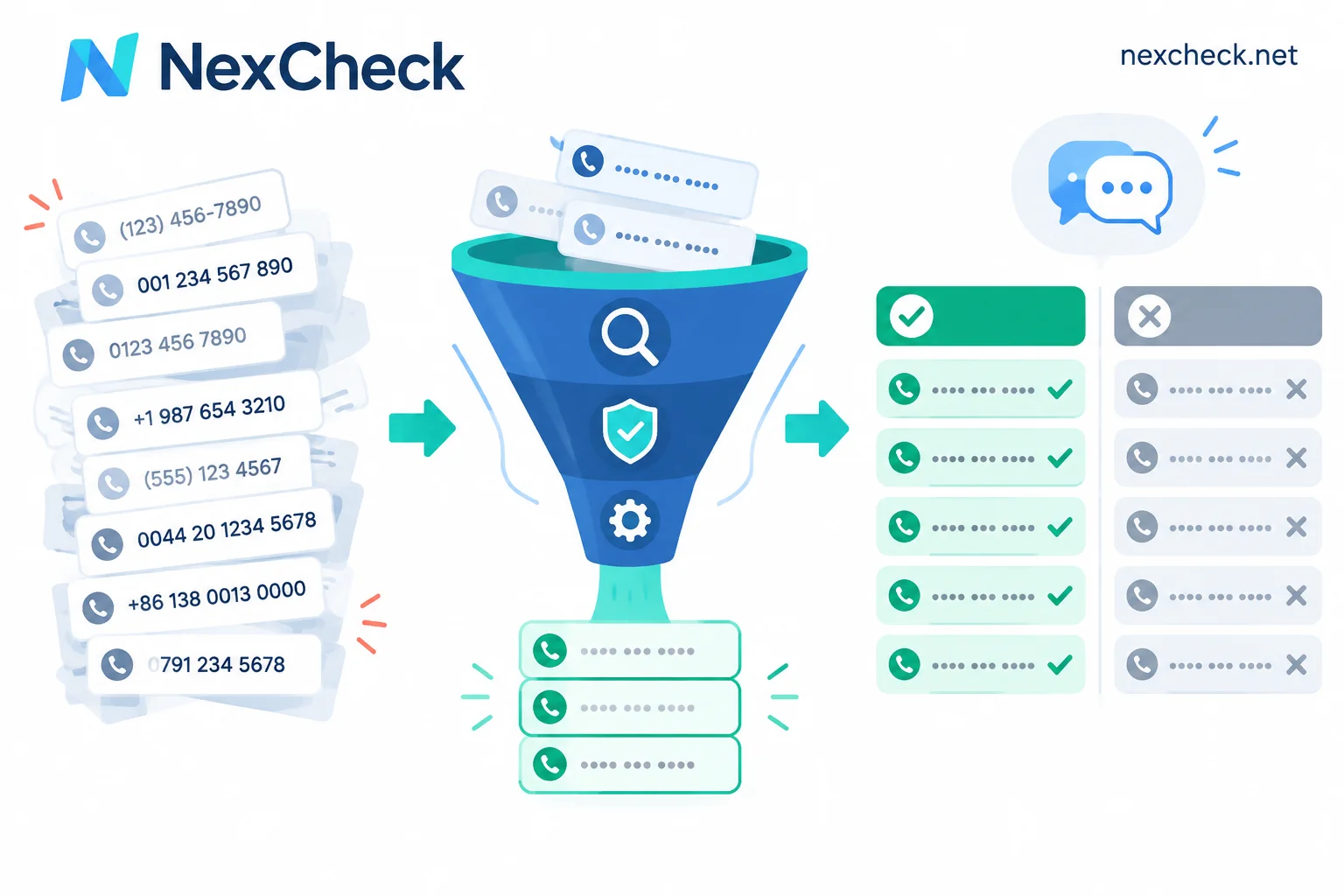
How to Use WhatsApp Number Filtering Software? Six Steps from List Cleaning to Field Interpretation
A six-step workflow for using WhatsApp number filtering software: deduplicate and clean your contact list, normalize to E.164, perform basic validation, run WhatsApp platform checks, interpret deterministic vs. privacy-limited fields, and write results back to your CRM.